


European sourcing · Global delivery
Global protein.
Delivered with precision.
European animal proteins and feed ingredients, sourced, documented and delivered to more than 50 countries.
16years in international trade
52countries served
7,500deliveries coordinated yearly
Featured ingredients
Selected products.
Three widely requested ingredients, presented with clear technical profiles, downloadable documentation and a direct route to our commercial team.


Full product catalogue
One portfolio.
Filtered the way buyers think.
Browse by ingredient family or application. Every product includes a clear overview and a downloadable GT technical profile.
18 products · PDF profile for every productShowing 18 products
Animal proteins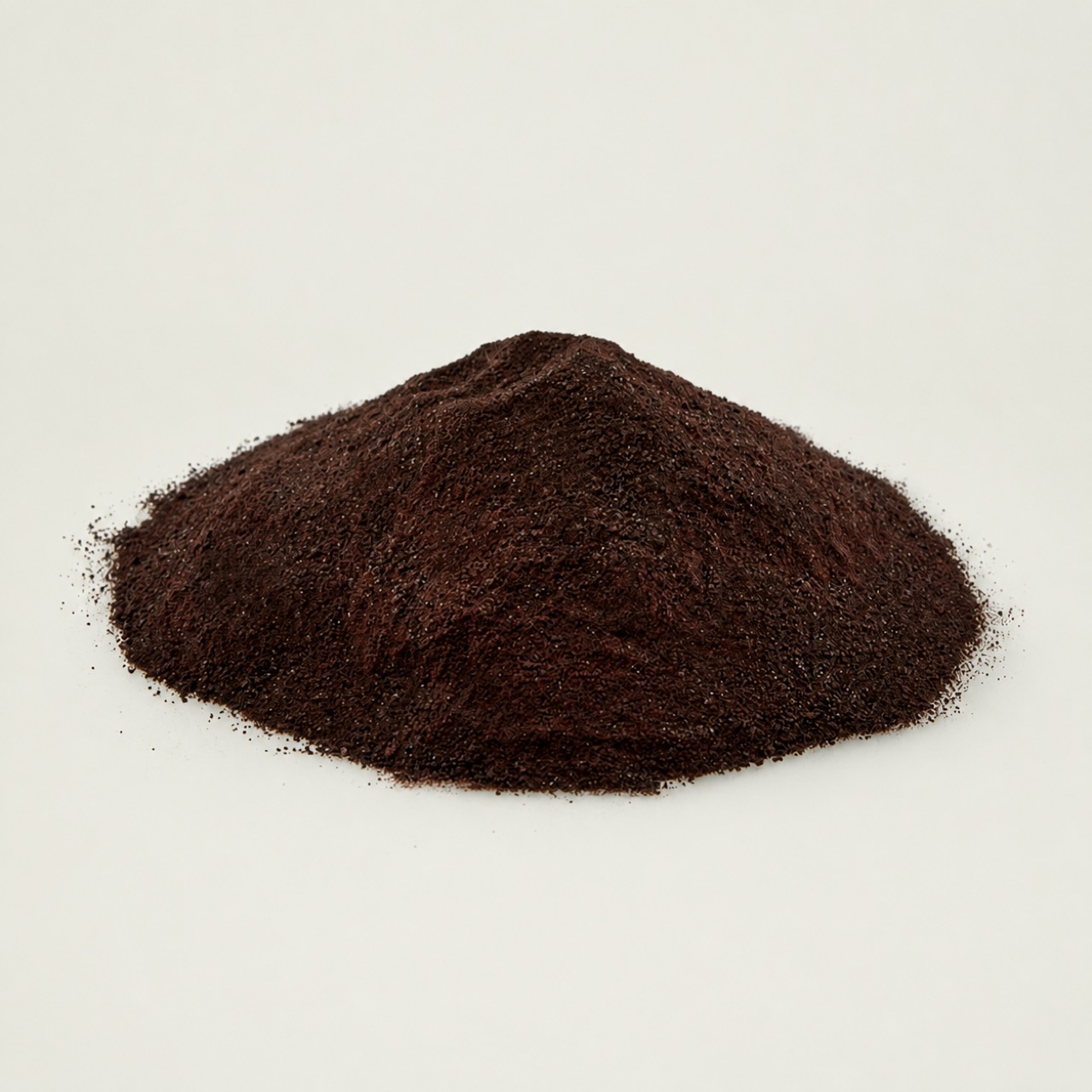
Blood Meal
PDF availableConcentrated poultry or mixed-origin blood protein supplied as two clearly separated commercial grades.
- Poultry grade
- Protein min. 86% (typ. 90%); fat and ash max. 3%
- Poultry controls
- Moisture max. 8%; pepsin digestibility above 95%
- Mixed grade
- Protein min. 88% (typ. 90%); fat max. 1.5%; ash max. 2.5%
- Mixed controls
- Moisture max. 7%; pepsin digestibility above 90%
Shelf lifePoultry grade 12 months; mixed grade 6 months
Animal proteins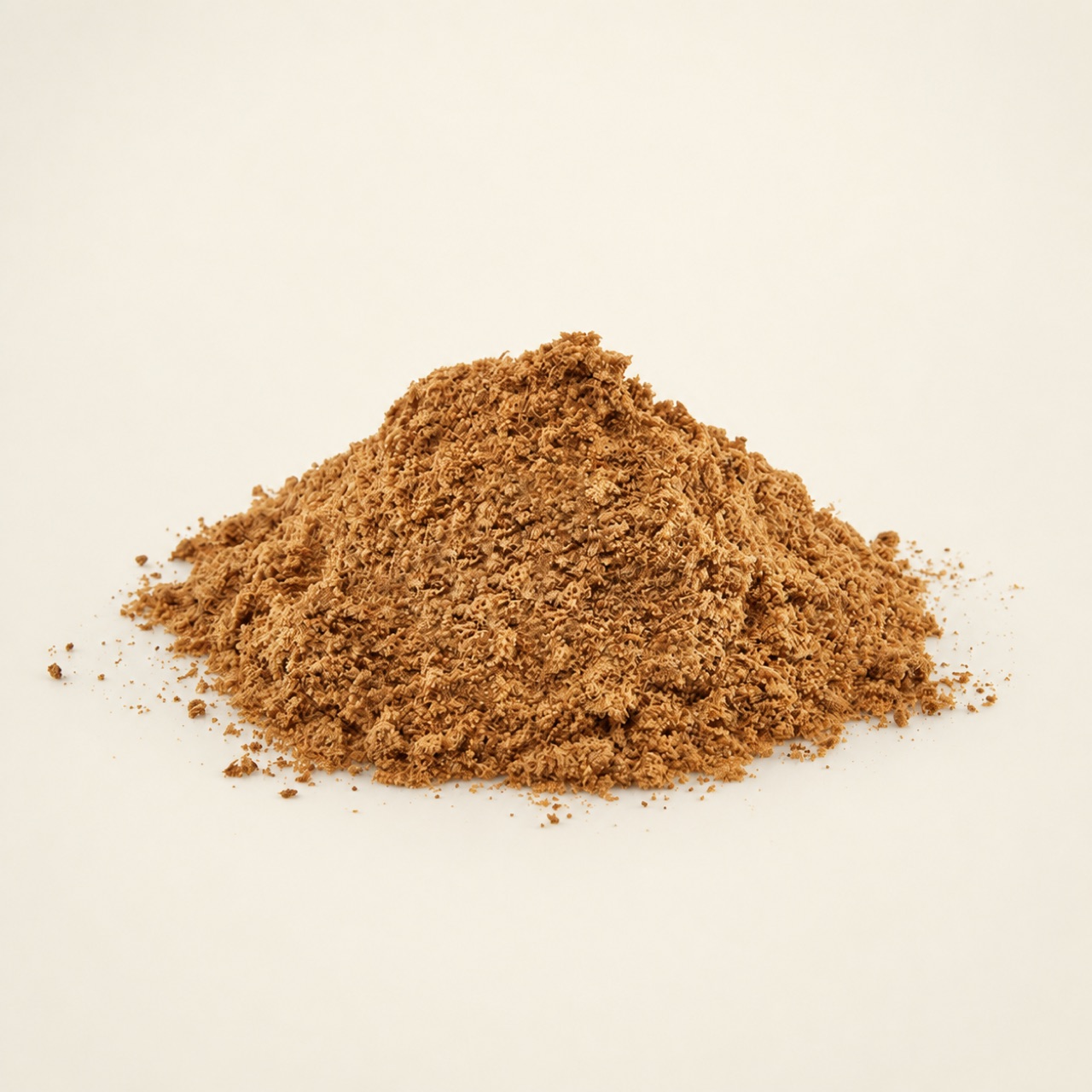

Poultry Meal · Standard Ash
PDF availableRendered poultry meal reference grade with typical 63% crude protein, 12% fat and 17% ash.
- Crude protein
- typ. 63%; min. 60%
- Fat / ash
- Fat typ. 12% (10-14%); ash typ. 17% (max. 21%)
- Moisture
- typ. 4%; max. 6%
- Pepsin digestibility
- above 80%
Shelf life6 months
Animal proteins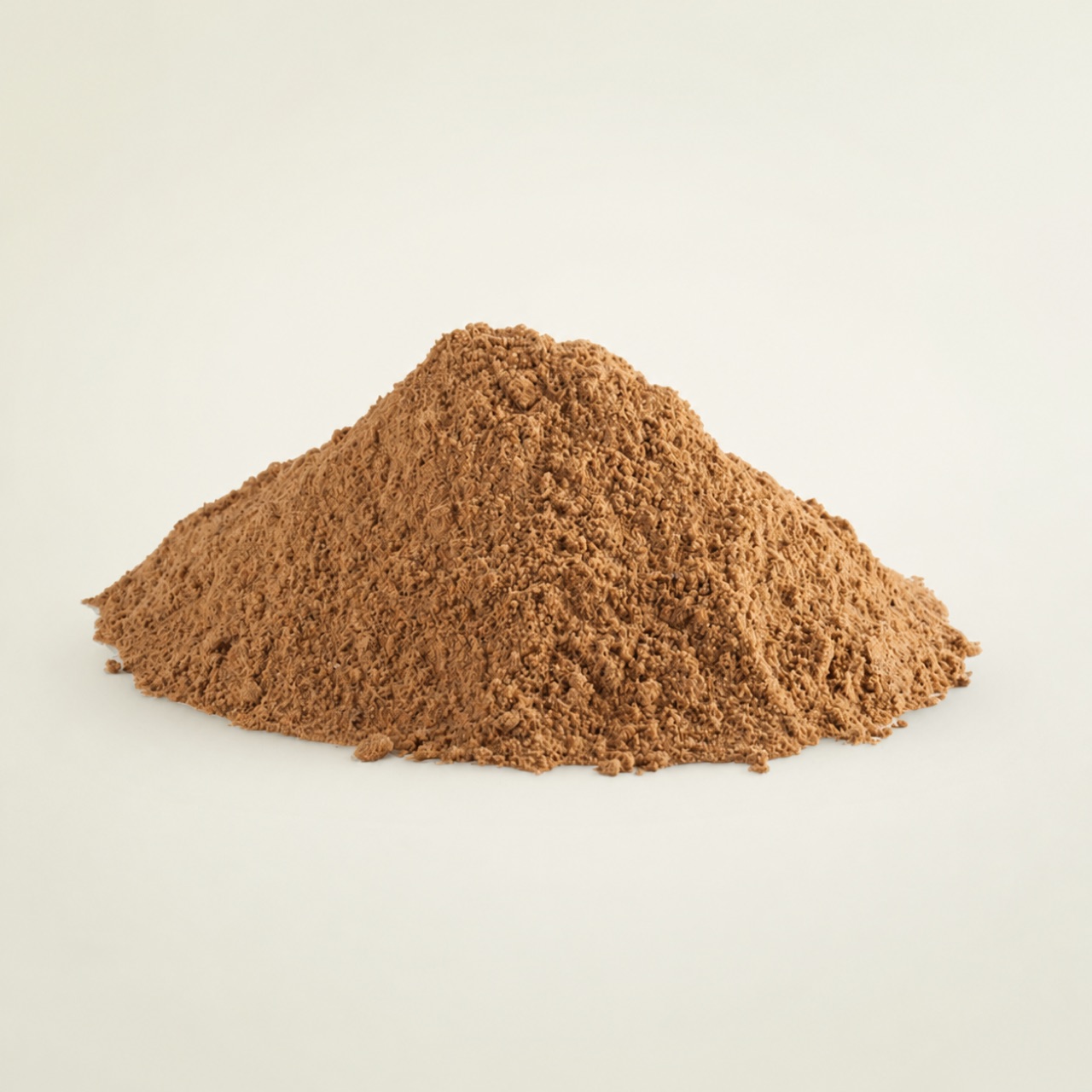

Poultry Meal · Low Ash
PDF availableIndicative low-ash poultry meal range with typical 70% crude protein, 13% oil, 10% ash and 90% digestibility.
- Crude protein
- indicative 66-75%; typ. 70%
- Oil / ash
- Oil typ. 13%; ash typ. 10%
- Moisture / digestibility
- Moisture typ. 5%; digestibility typ. 90%
- Peroxide value
- indicative below 10 meq/kg
Shelf lifeindicative 8-12 weeks
Animal proteins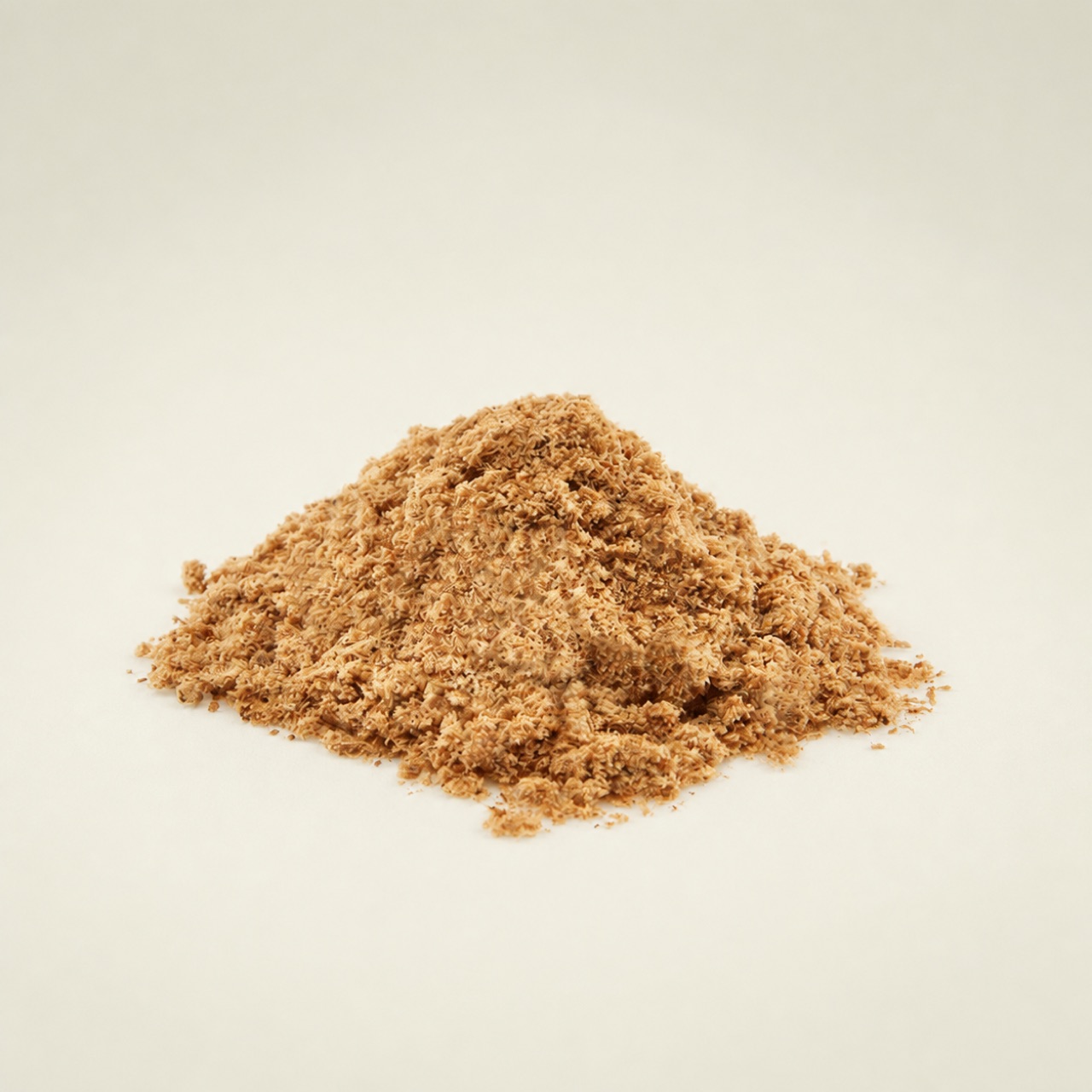

Feather Meal
PDF availableHydrolysed poultry feather protein reference grade with min. 80% crude protein and min. 80% pepsin digestibility.
- Crude protein
- min. 80%
- Fat / ash
- Fat max. 8%; ash max. 5%
- Moisture
- max. 8%
- Quality controls
- Pepsin min. 80%; peroxide max. 10 meq/kg fat
Shelf life6 months
Animal proteins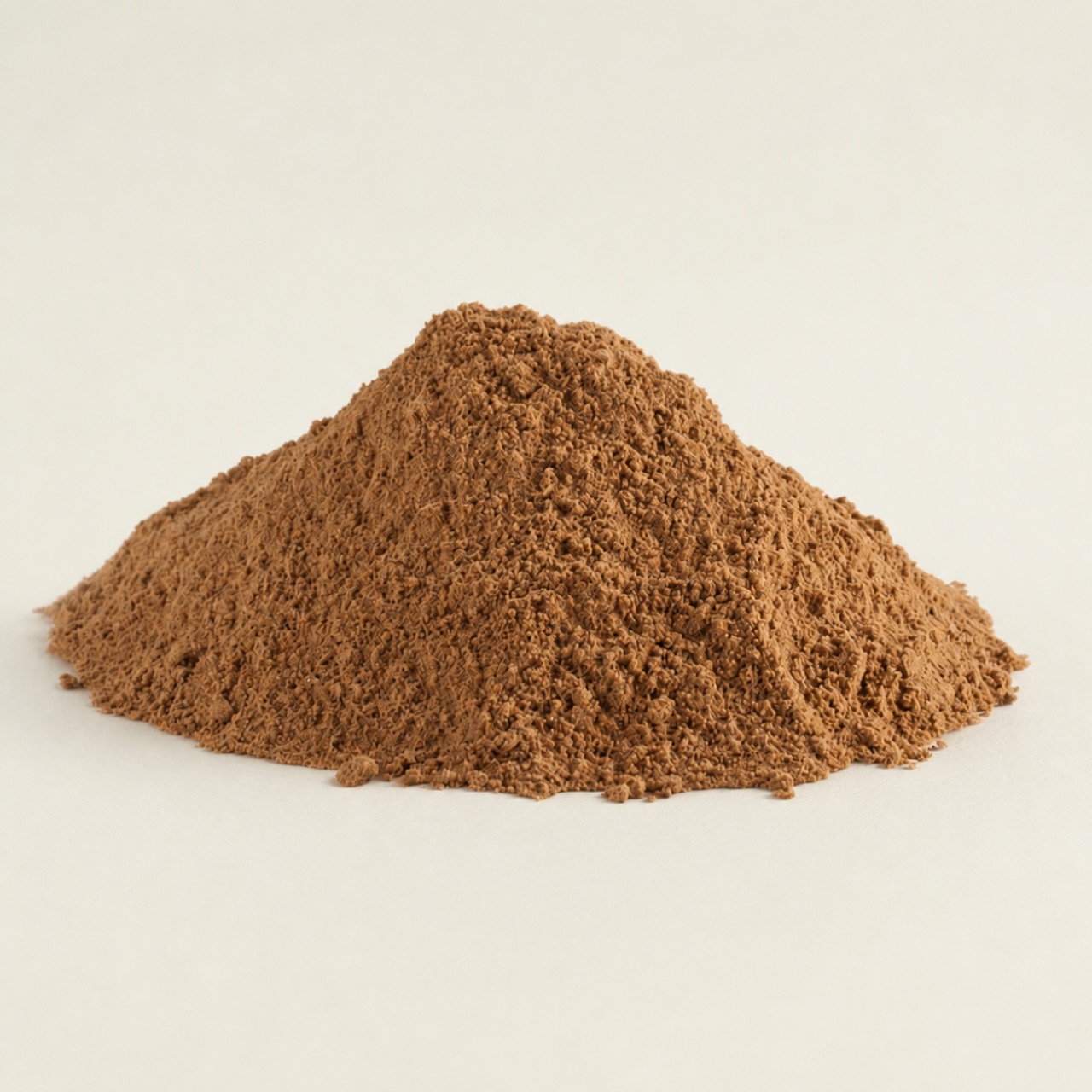

Duck By-product Meal · 63%
PDF availableRendered poultry protein produced predominantly from duck material, with typical 63% crude protein.
- Crude protein
- typ. 63%; min. 59%
- Fat / ash
- Fat typ. 11%; ash typ. 19%
- Moisture
- typ. 4%; max. 6%
- Pepsin digestibility
- above 85%
Shelf life12 months
Animal proteins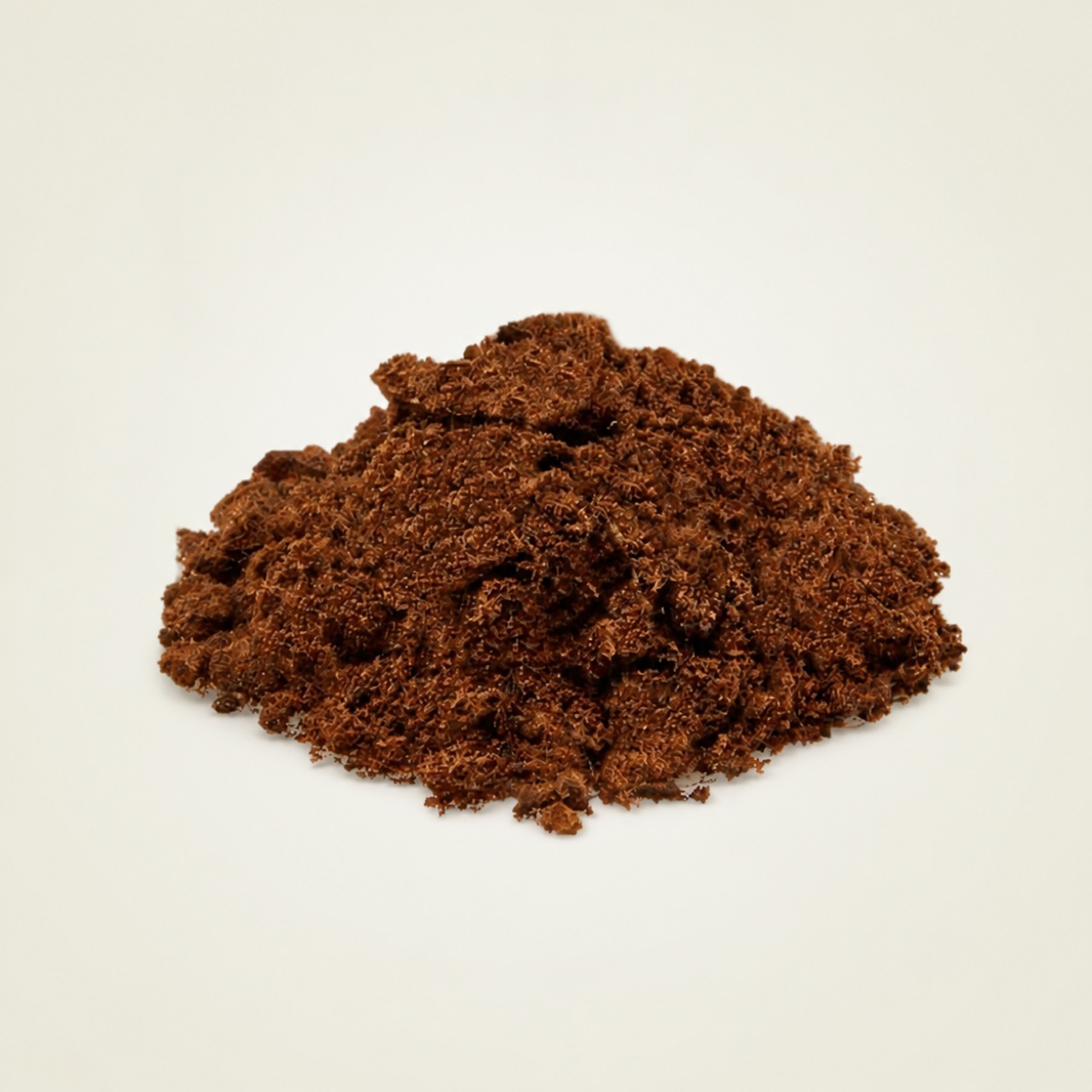

Processed Animal Protein · 50%
PDF availableCategory 3 processed animal protein reference grade with min. 50% crude protein for permitted non-ruminant markets.
- Crude protein
- min. 50%
- Fat / ash
- Fat max. 14%; ash max. 30%
- Moisture
- max. 6%
- Oxidation controls
- Acid max. 30 mg KOH/g; peroxide max. 10 meq/kg
Shelf life6 months without antioxidant · 12 months with antioxidant
Animal proteins

Meat & Bone Meal · 45-55% Protein
PDF availableOne clear protein-and-mineral product family with distinct 45% and 55% crude-protein grades.
- Available grades
- 45% or 55% crude protein
- 45% grade
- Protein min. 45%; moisture max. 10%; fat min. 6%; ash max. 42%
- 55% grade
- Protein min. 55%; moisture max. 6%; fat max. 14%; ash declared 26%
- Grade minerals
- 45%: Ca max. 14%, P min. 3.5%; 55%: Ca 5-6%, P 3%
Shelf life45% grade: 12 months; 55% grade: 12 months with antioxidant
Animal proteins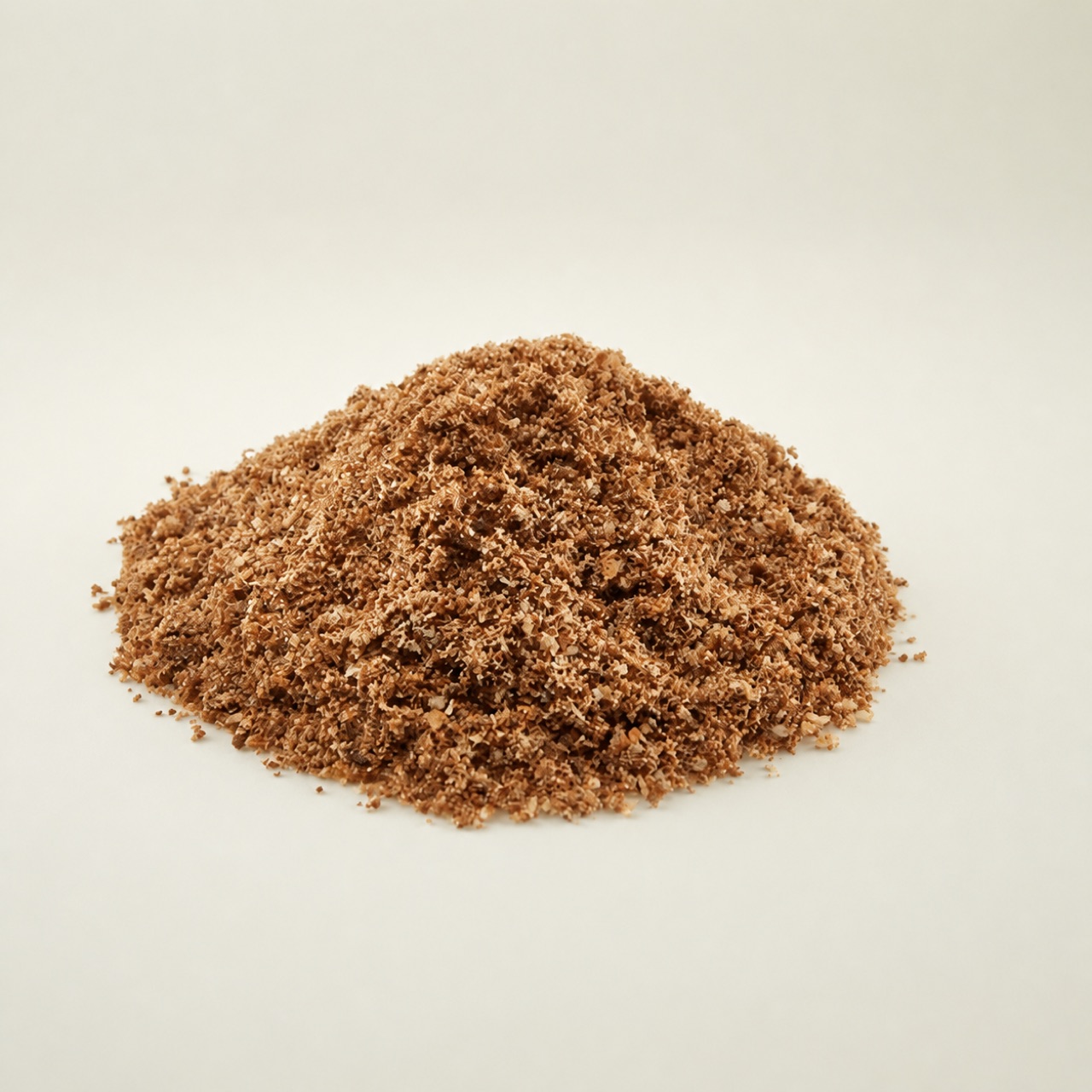

Beef Meal
PDF availableBovine-origin rendered protein offered as separate Beef PAP 52 and Beef Greaves 75 grades.
- Beef PAP 52
- Protein typ. 52%; oil typ. 12%
- PAP 52 controls
- Ash typ. 28%; moisture typ. 3%; pepsin typ. 90%
- Beef Greaves 75
- Protein typ. 75%; fat typ. 10%
- Greaves controls
- Ash typ. 10%; moisture typ. 4%; pepsin above 90%
Shelf lifePAP 52: 20-24 weeks · Greaves 75: 6 months
Animal proteins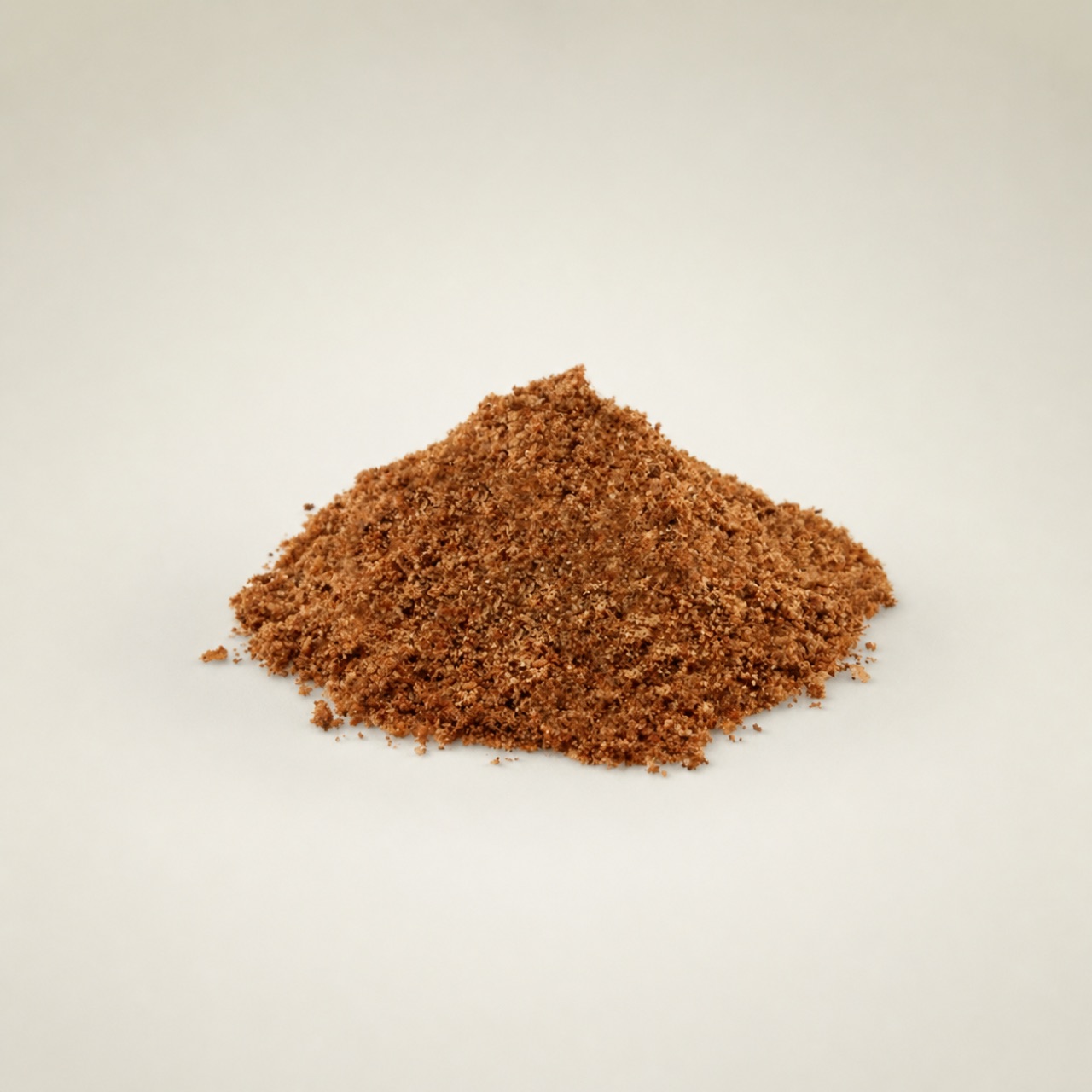

Porcine Meal · 53%
PDF availableRendered porcine protein with typical 53% crude protein and 17% fat for pet nutrition and compound-feed formulations.
- Crude protein
- typ. 53%; min. 50%
- Fat / ash
- Fat typ. 17%; ash typ. 27%
- Moisture
- typ. 3%; max. 6%
- Pepsin digestibility
- above 85%
Shelf life6 months
Animal proteins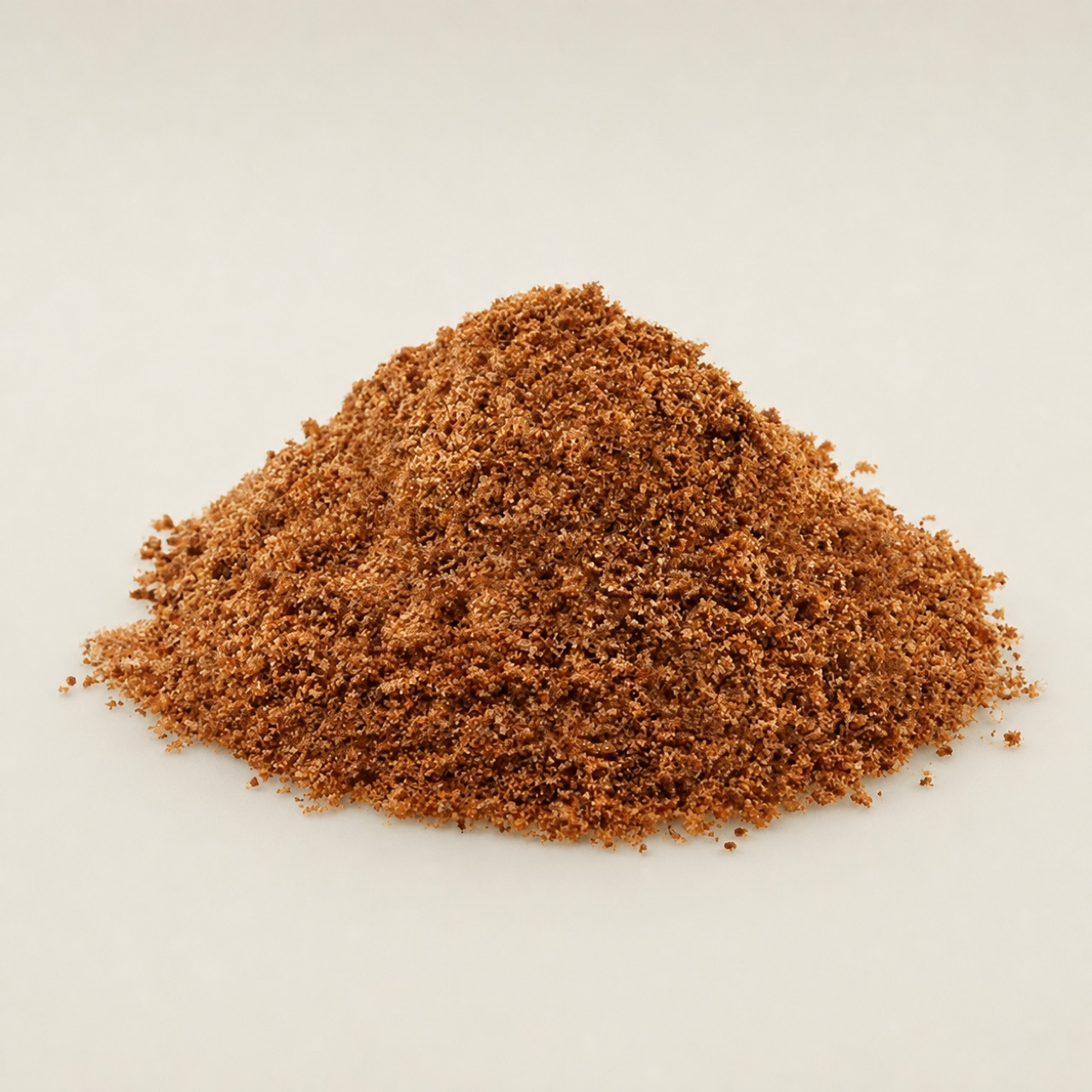

Lamb Meal
PDF availableA species-specific ovine Category 3 protein-and-mineral ingredient for eligible pet-food markets.
- Crude protein
- target 53%; range 50-60%
- Fat / ash
- Fat target 12%; ash target 24%
- Moisture
- target 3%; range 1-8%
- Profile controls
- Peroxide below 10 meq/kg; ovine species
Shelf life12 months
Marine proteins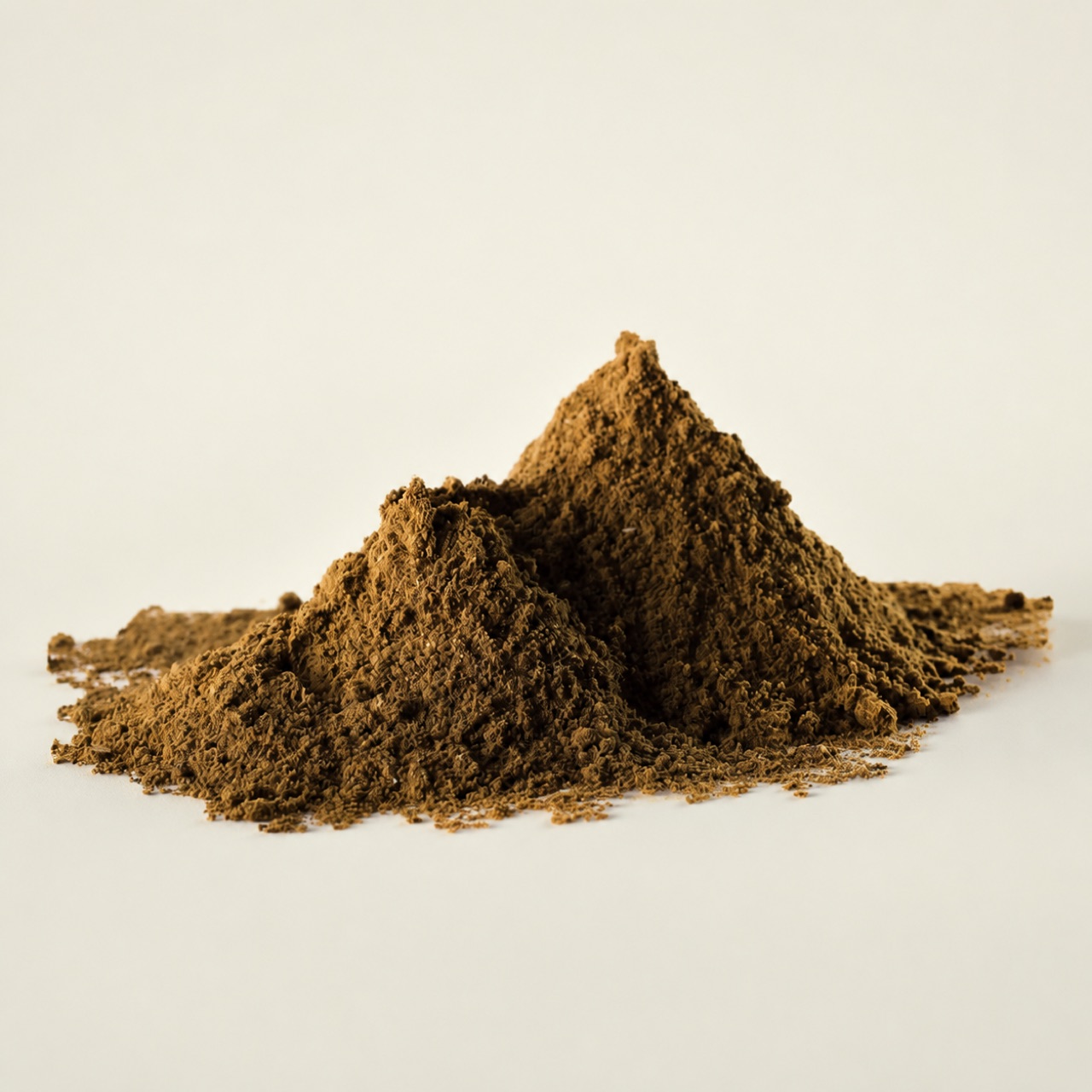

Salmon Meal
PDF availableSalmon protein offered as separate Grade 66 and Grade 68 profiles for aquaculture, pet nutrition and compound feed.
- Grade 66
- Protein above 66%; fat below 17%; ash below 13%
- Grade 66 moisture
- below 8%
- Grade 68
- Protein above 68%; fat below 15%; ash below 18%
- Grade 68 dry matter
- above 92%
Shelf life12 months for both grades
Plant & fermentation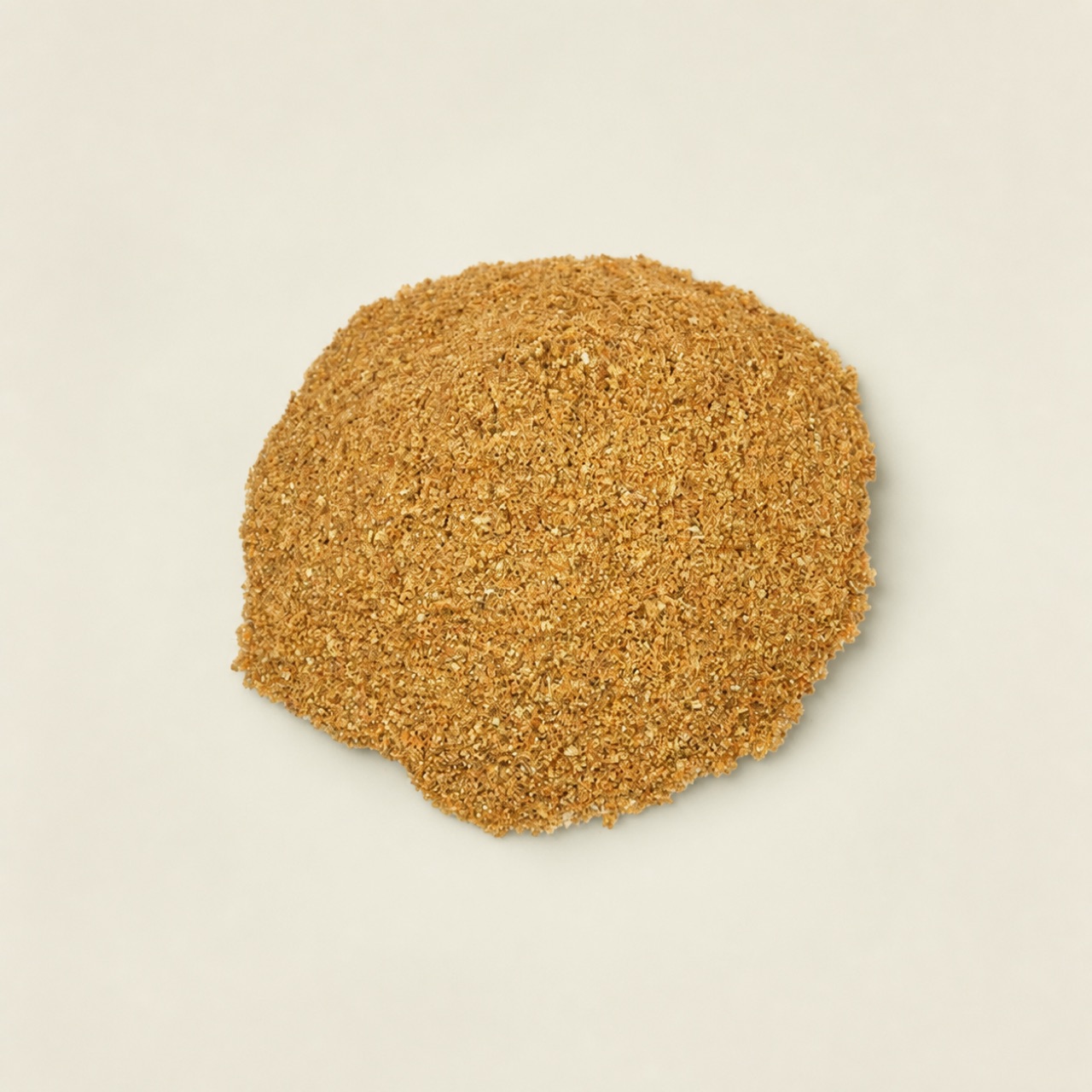
Corn Gluten Meal
PDF availableCorn wet-milling co-product with min. 65% crude protein on a dry-substance basis.
- Crude protein
- min. 65% dry substance
- Moisture
- max. 10%
- Dry-basis controls
- Fat max. 10%; ash max. 3%; starch max. 20%
- Storage
- max. 35°C; max. 85% relative humidity
Shelf life12 months
Plant & fermentation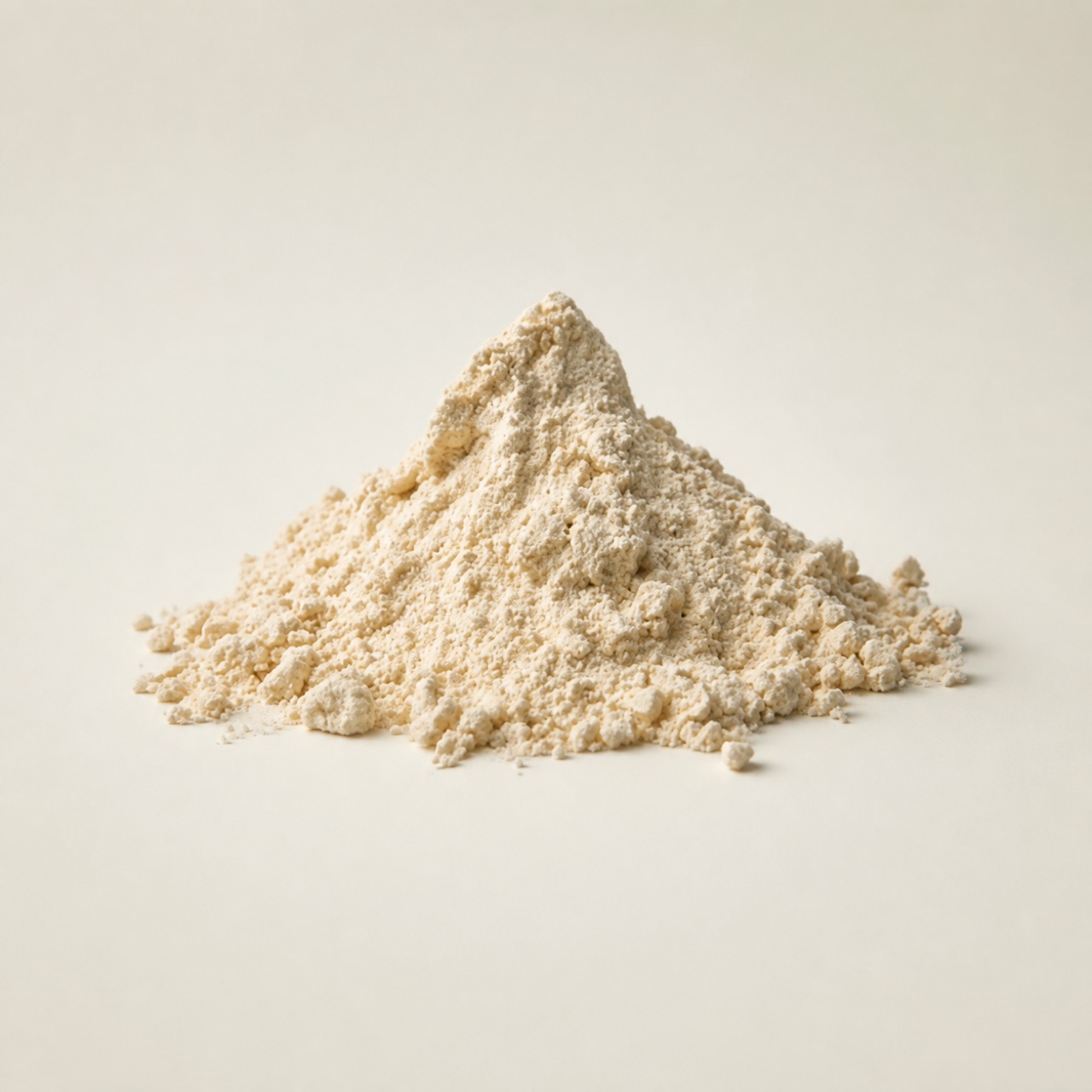

Vital Wheat Gluten
PDF availableA concentrated wheat protein with documented water-binding performance for permitted formulation uses.
- Protein bases
- N×6.25 min. 82% dry substance; N×5.7 min. 75%
- Moisture / ash
- Moisture max. 8%; ash max. 1%
- Water binding
- 150-240%
- Particle control
- Above 200 micrometres max. 2%
Shelf life24 months
Plant & fermentation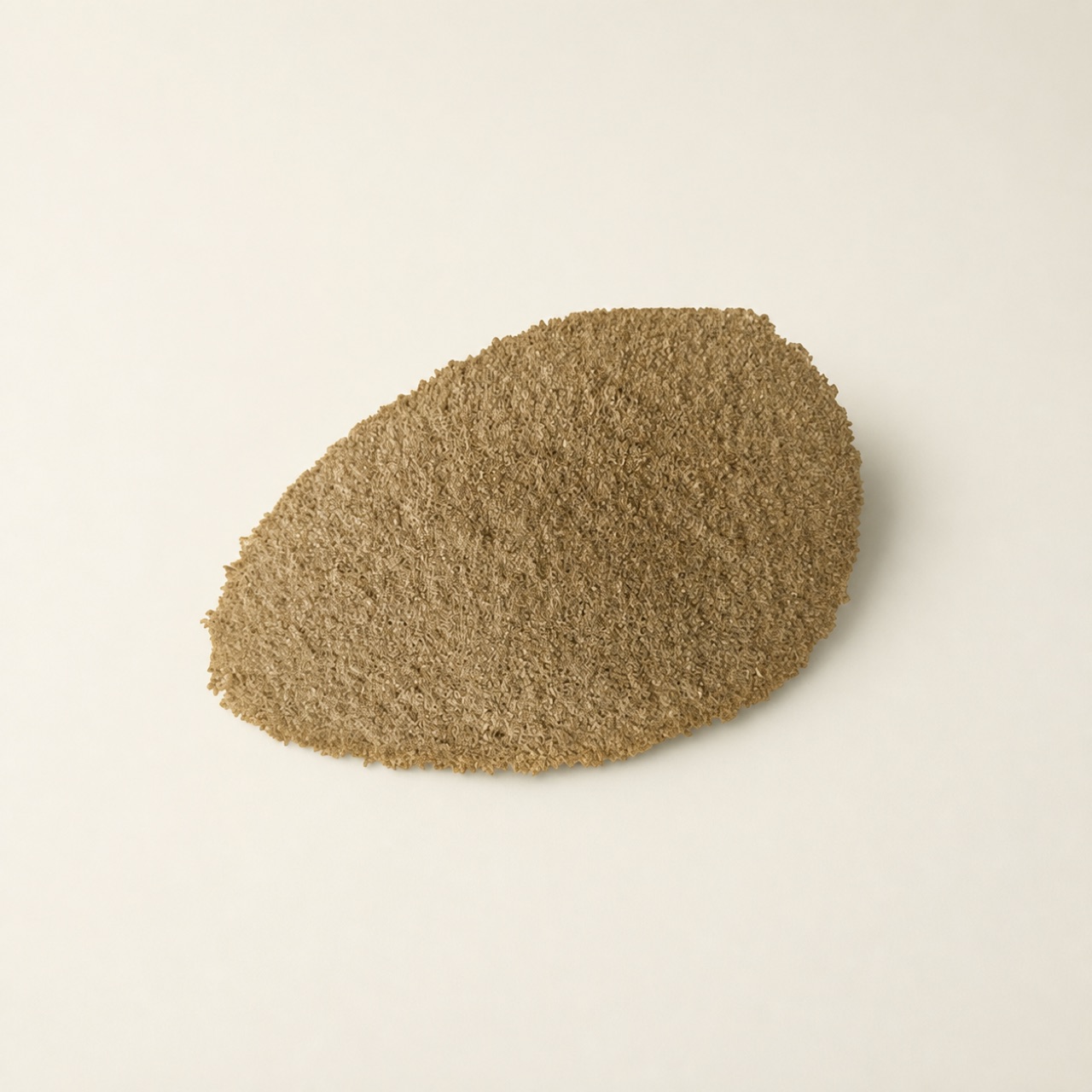

Bran Yeast
PDF availableA documented bran-yeast supplementary feed material supplied as a brown protein-rich powder.
- Crude protein
- min. 43%
- Moisture / ash
- Moisture max. 12%; ash max. 10%
- Appearance
- Brown powder with characteristic yeast odour
- Salmonella
- Absent in 25 g
Shelf life6 months
Plant & fermentation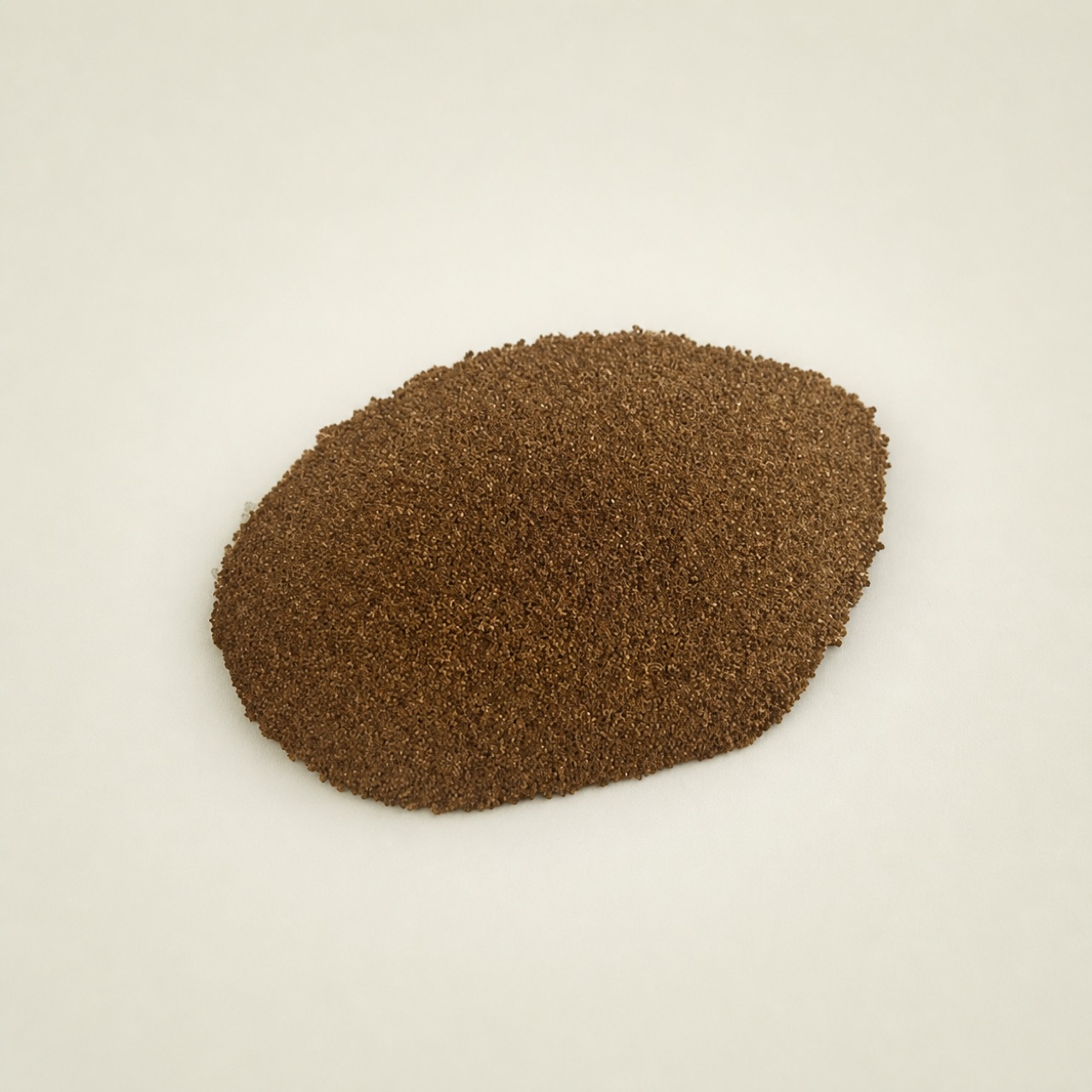

Fodder Yeast
PDF availableA documented yeast-derived supplementary feed material supplied as a brown protein-rich powder.
- Crude protein
- min. 42%
- Moisture / ash
- Moisture max. 12%; ash max. 10%
- Appearance
- Brown powder with characteristic yeast odour
- Salmonella
- Absent in 25 g
Shelf life6 months
Fibre & energy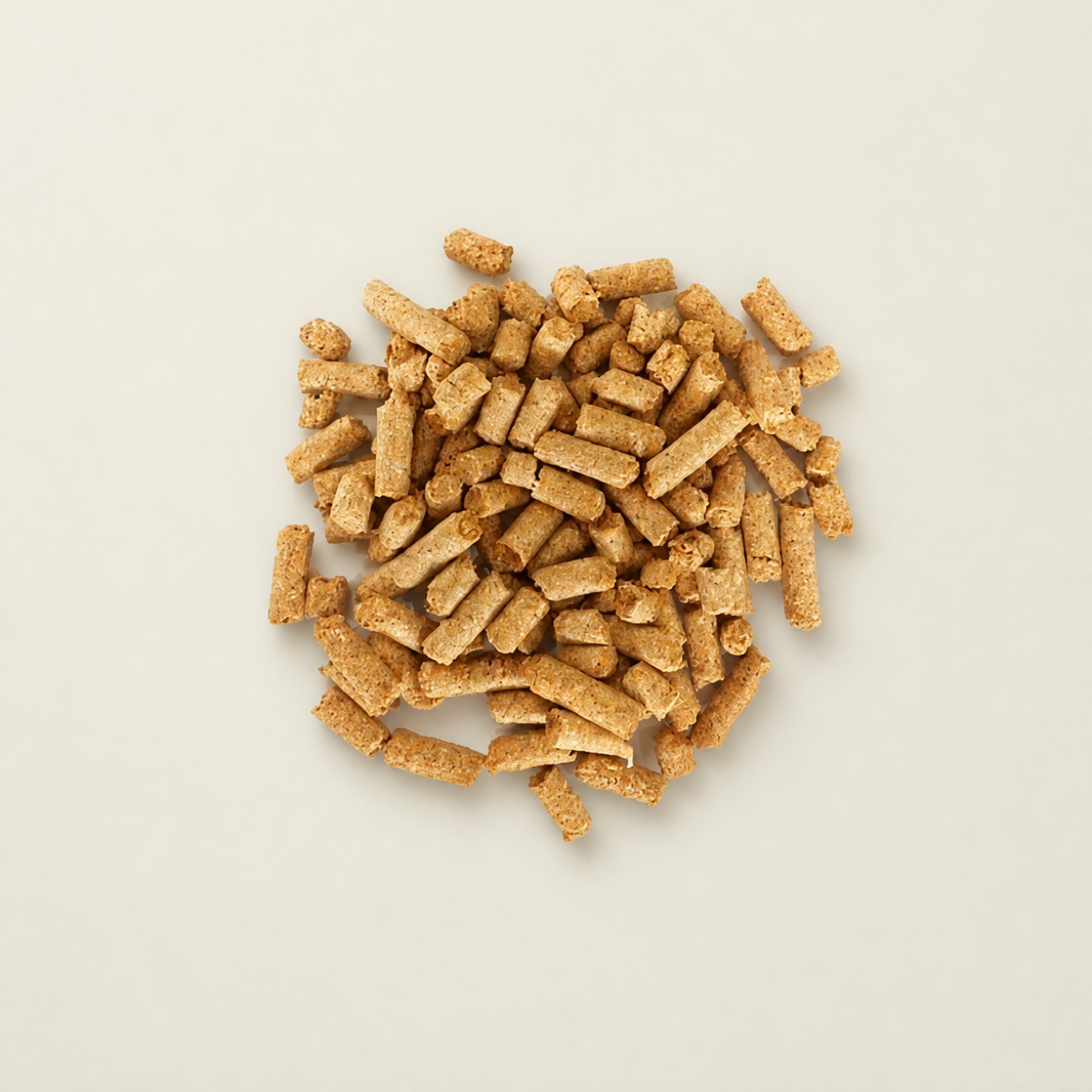

Wheat Bran Pellets
PDF availableA practical cereal co-product presented as an indicative commercial range pending a current primary supplier TDS.
- Format
- Pelleted wheat bran
- Crude protein
- indicative 14-17%; typ. 16%
- Moisture
- indicative 10-15%; typ. 13%
- Fat / ash
- Fat typ. 2%; ash typ. 6%
Shelf life6 months at moisture up to 14%; 3 months at 14.1-15%
Fibre & energy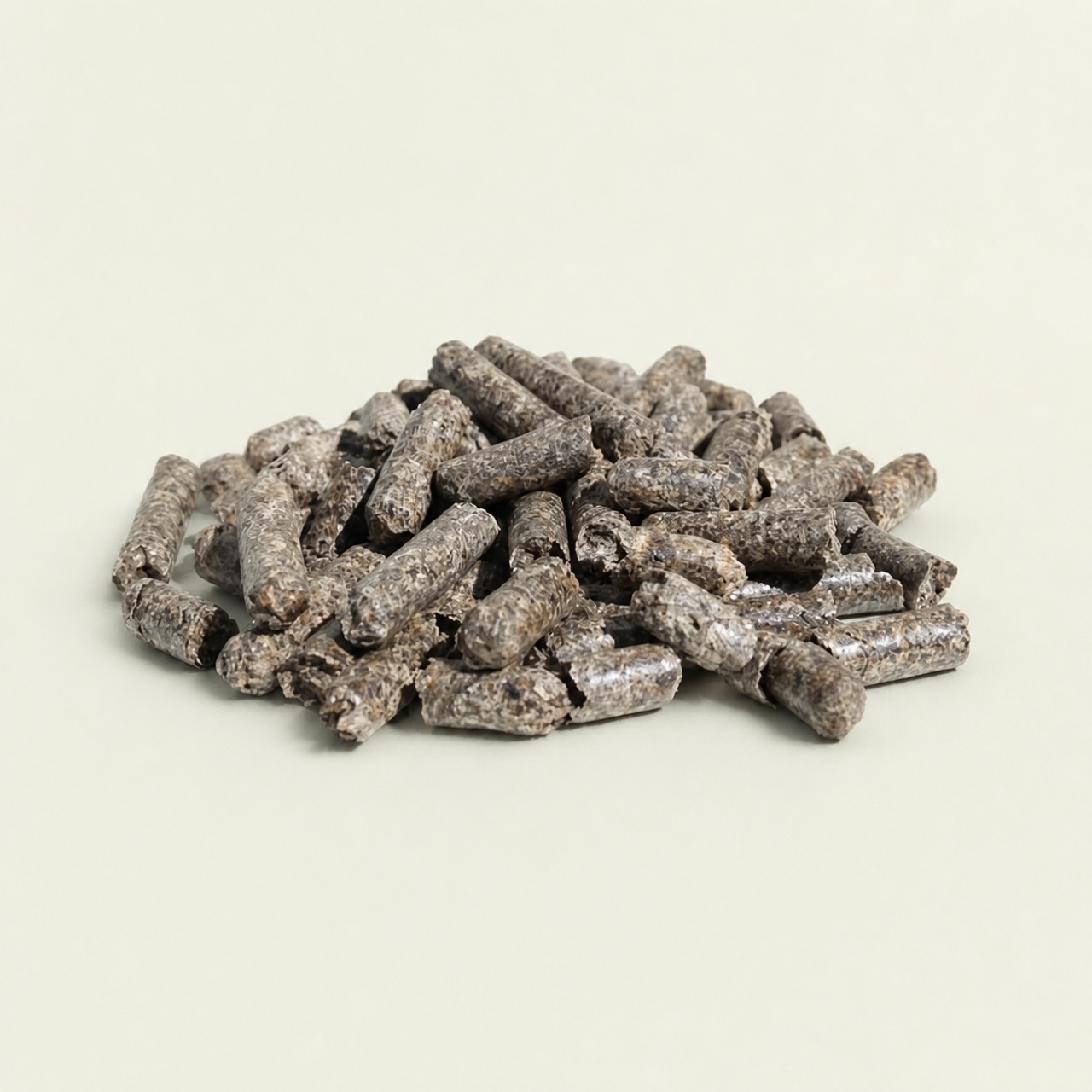

Sugar Beet Pulp Pellets
PDF availableA pelleted sugar-beet co-product supplying fibre and fermentable energy for permitted feed formulations.
- Crude protein
- min. 7% dry substance
- Moisture / fibre
- Moisture max. 13%; fibre max. 23%
- Ash / sugar
- Ash max. 4%; sugar max. 9%
- Pellet diameter
- 11 mm
Shelf life12 months at max. 25°C and 70% relative humidity
Fats & oils
Salmon Oil
PDF availableA salmon-based marine lipid supplied as two clearly defined FFA 5 and FFA 6 commercial grades.
- FFA grades
- FFA 5 below 5%; FFA 6 max. 6%
- Peroxide value
- max. 10 meq O2/kg
- FFA 5 omega-3
- typ. 12-15% of total fatty acids
- FFA 5 anisidine
- max. 15
Shelf life12 months
Our story
Northern roots.
Global responsibility.
16years in international
ingredient trade
ingredient trade
GT Nutritions was established in Latvia in 2010 with a straightforward purpose: connect reliable European ingredient production with manufacturers that need consistent quality, clear documentation and dependable delivery.
From our Northern European base, we work closely with established rendering plants and specialist ingredient producers across Europe. That proximity gives us a practical understanding of origin, processing, specifications and availability—knowledge we carry into every customer conversation.
Today we supply animal proteins, marine ingredients, plant proteins, fibres and oils to feed and nutrition businesses across global regions. Our role is not simply to move material. We help customers select the right product and grade to strengthen nutritional value, process performance and consistency in their formulations.
We stay involved from the first requirement to final delivery: clarifying the specification, aligning documentation, matching the suitable source, planning the route and keeping communication direct. Sixteen years of international trade have taught us that dependable supply is built on long-term relationships, disciplined detail and doing what was agreed.
Start a conversation01At origin
Close to European production.
We cooperate with major rendering plants and specialist ingredient producers, building a clear view of quality, availability and the right grade for each use.
02In selection
Built around the formulation.
We start with the customer’s nutritional and technical requirement, then align the ingredient, specification and documentation around that purpose.
03To destination
Managed for global delivery.
From our Northern European base, we coordinate documentation, communication and freight so the product arrives ready for professional use.
How we work
Built for professional procurement.
Specification clarity, dependable execution and practical market context—designed around the way international buyers actually work.
Quality assurance
Documentation that travels with the product.
Lot-level traceability, supplier verification and clear documentation aligned with buyer and market requirements.
Global logistics
The right route, mode and timing.
Road, container and bulk movements planned around product sensitivity, lead time and destination requirements.
Market intelligence
Commercial context, not just a price.
Direct market insight helps buyers assess availability, timing and suitable alternatives with greater confidence.
Industry signals
Useful context.
Built for decisions.
Source-linked briefings on protein markets, feed regulation and the practical details that move a consignment from origin to destination.
View all 12 insightsShowing the latest 3 insights for All signals. 9 more available in the complete insights library.
Drought turns feed buying into substitution
The latest EU crop monitoring shows drought damage across western and central Europe, with summer-crop forecasts down sharply and pasture availability reduced. Buyers now need substitution plans that protect nutrition, documentation and delivery reliability.
7 min readRead article
Mycotoxin guidance, buyer-ready COAs
The EU has replaced its long-standing mycotoxin recommendations with updated guidance values and clearer duties for testing, disclosure and risk assessment. Buyers have a practical preparation window before the 2027 application dates.
7 min readRead article
Hormuz risk, route-ready buying
The latest IMO update confirms that Hormuz shipping risk remains unresolved. Feed buyers need route-level evidence, realistic validity periods and workable contingencies before committing to a shipment.
6 min readRead article
Botanical additives, tighter checks
New EU conditions for three botanical feed flavourings show why additive identity, species-specific use levels and transition dates belong in procurement control.
6 min readRead article

The EUDR procurement countdown
EUDR readiness is not simply another certificate request. Buyers need clear product scope, defined supply-chain roles and a reliable trail from origin data to each commercial lot.
7 min readRead article
More scrutiny at the border
The Commission is increasing audits of non-EU control systems and EU border posts. Stronger oversight makes consistent certificates, labels, seals and lot records even more important.
7 min readRead article
Protein demand moves east
Feed-protein demand is still growing, but future volume is shifting toward more intensive livestock systems in South and Southeast Asia.
7 min readRead article
When energy reaches the feed mill
A feed-material shock can begin far from agriculture, travel through energy, fertiliser and freight, and become visible only in a later delivery period.
7 min readRead article
When supply tightens, evidence matters
Current supply signals make early planning important, but availability is only one part of the decision. Origin, specification, traceability and intended use still need to align.
7 min readRead article
Europe’s protein reset
The EU wants a larger home-grown share of high-protein feed by 2035—and more diversified imports. Here is what that means for sourcing, specifications and risk.
6 min readRead article
Before the truck moves
A shipment is easier to control when its specification, lot identity, analysis, label and transport documents all tell the same story.
6 min readRead article
From by-product to feed resource
Category 3 animal by-products can conserve valuable nutrients, but circular value depends on disciplined sourcing, processing, segregation and end-use checks.
6 min readRead article
Primary sources linked
Commercial interpretation for professional buyers—not recycled headlines.
Discuss a market questionStart a conversation
Tell us what you need.
Share your ingredient, specification, quantity and destination. Our team will respond with the next practical step.
Direct contacts